
New posting coming
Author: NYC 24Hour Plumbers
-

Top Plumbing Issues Raising Your Water Bill
🚰 Introduction
Have you noticed a sudden increase in your water bill but aren’t sure why? Many homeowners face rising water costs due to hidden leaks, inefficient appliances, or unnoticed plumbing issues. Understanding the causes behind high water usage can help you save money and prevent further water waste.
In this guide, we’ll explore the most common plumbing issues that lead to higher water bills. You’ll learn how to detect and fix them. This can help you avoid even more expenses.
💦 Common Plumbing Issues That Cause High Water Bills
1️⃣ Leaky Faucets
- A slow-dripping faucet can waste thousands of gallons per year, even if it seems minor.
- Signs: Persistent dripping, water pooling in the sink overnight.
- Fix: Replace worn-out washers or seals to stop unnecessary water loss.
2️⃣ Running Toilets
- A silent water waster – a running toilet can waste up to 200 gallons of water per day!
- Signs: Hearing water refilling constantly, needing multiple flushes for waste.
- Fix: Adjust or replace the flapper valve to stop the constant refilling cycle.
3️⃣ Hidden Pipe Leaks
- Underground or behind-wall leaks can slowly drain your wallet without visible signs.
- Signs: Wet spots on walls, unexpected mold growth, or a musty smell.
- Fix: Check your water meter reading before and after a no-use period. If it moves, you have a hidden leak.
4️⃣ Inefficient Appliances (Dishwasher, Washing Machine, Water Heater)
- Older models use excessive water compared to modern energy-efficient appliances.
- Signs: Higher-than-average water bills despite no changes in usage.
- Fix: Upgrade to Energy Star-certified appliances to save water & money.
5️⃣ Outdoor Leaks (Hoses, Sprinklers, Irrigation Systems)
- Slow leaks in outdoor plumbing often go unnoticed but can add up significantly.
- Signs: Puddles in your yard, weak water pressure in sprinklers, damp soil even in dry weather.
- Fix: Regularly inspect hose connections and irrigation systems for leaks or damage.
🔎 How to Detect Hidden Water Waste
1️⃣ Check Your Water Bill Trends
- Compare your monthly water usage and check for unexpected spikes.
2️⃣ Check Your Water Meter
- Turn off all water sources and watch the meter. If it’s still moving, you likely have a leak.
3️⃣ Listen for Unusual Sounds
- Hissing, dripping, or running water sounds in walls or floors may show a hidden leak.
4️⃣ Conduct a Dye Test for Toilets
- Add food coloring to the tank—if it seeps into the bowl within 10 minutes, you have a leak.
✅ Preventative Measures to Lower Your Water Bill
1️⃣ Fix Leaks Early
- Small drips can become costly over time. Fix leaks promptly to avoid unnecessary charges.
2️⃣ Upgrade to Water-Efficient Fixtures
- Install low-flow toilets, faucets, and showerheads to reduce water usage.
3️⃣ Be Mindful of Daily Habits
- Turn off taps while brushing, fix drips quickly, and only run washing machines with full loads.
4️⃣ Schedule Annual Plumbing Inspections
- A professional plumber can detect leaks early and help you save money in the long run.
📢 Conclusion
A high water bill can be frustrating and costly. Identifying common plumbing issues can help you save money. It also reduces water waste. Regular maintenance and early detection are key to keeping your water bill in check.
💡 Worried about a high water bill? Contact our plumbing experts today for a thorough inspection!
-
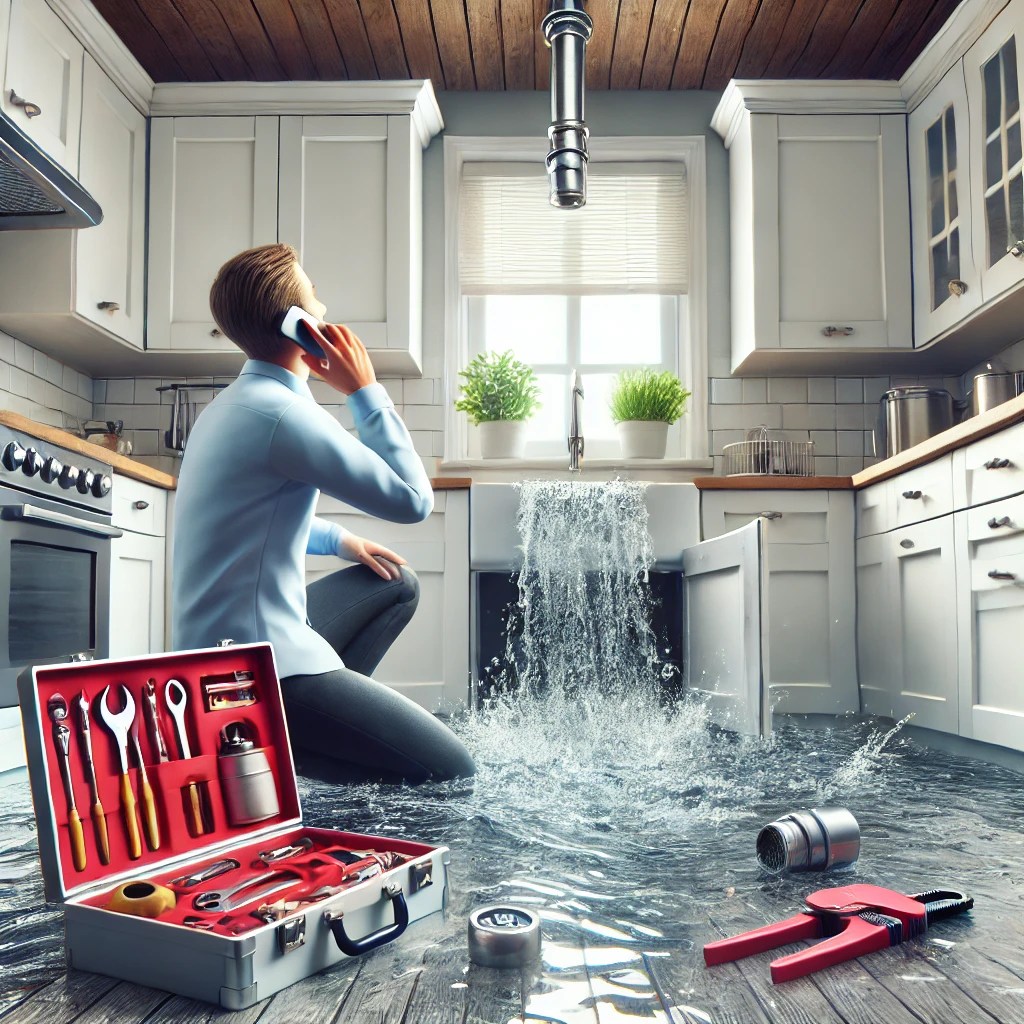
How to Handle Plumbing Emergencies: A Quick Guide
🚨 Introduction
Plumbing emergencies can strike at any time, leaving homeowners scrambling to prevent costly damage. You must know what to do in case of a burst pipe. Be prepared for an overflowing toilet. Know how to handle a sudden lack of running water. This knowledge can make a huge difference. Acting effectively before the plumber arrives can prevent significant issues. In this guide, we’ll walk you through essential steps. These steps will help you reduce damage. They will also protect your home while waiting for professional help.
–
🔍 Recognizing a Plumbing Emergency
Not every plumbing issue is an emergency, but some problems demand immediate attention. Here are common plumbing emergencies that need urgent action:
Issue Description ✅Burst Pipes & Major Leaks Can lead to flooding & structural damage. ✅Sewage Backup A health hazard causing bad odors & contamination. ✅No Running Water Can show a major pipe issue or blockage. ✅Overflowing Toilet Can cause water damage & unsanitary conditions. ✅Clogged Drains with Standing Water A sign of severe blockage or backup. 🛑 If you experience any of these issues, take action promptly!
–
🛠Immediate Steps to Take Before the Plumber Arrives
When a plumbing emergency occurs, time is of the essence. Follow these crucial steps:
1️⃣ Shut Off the Water Supply
💧 For minor leaks: Shut off the local water valve (under the sink or toilet). 💧 For major leaks or burst pipes: Locate and shut off the main water valve (usually in the basement, garage, or near the water meter). 2️⃣ Contain the Leak & Prevent Water Damage
- Use towels, buckets, or a wet vacuum to collect excess water.
- If a pipe is leaking, use plumbing tape or a rubber patch as a temporary fix.
- Move any furniture or valuables away from the affected area.
3️⃣ Turn Off the Water Heater (If Necessary)
- If you suspect a major leak, turn off the water heater to prevent overheating & system damage.
4️⃣ Assess the Situation Before Calling a Plumber
- Try simple fixes if safe (e.g., plunging a clogged toilet or tightening a loose pipe).
- Check for warning signs like strange noises, water discoloration, or foul odors.
–
📞Calling an Emergency Plumber: What to Say & Expect
When calling a plumber, be clear & concise about the issue.
✅ Key Details to Give:
- The nature of the problem (e.g., burst pipe, backed-up drain).
- What steps you’ve already taken (shut off water, attempted fixes).
- Whether there are ongoing risks (e.g., flooding, sewage backup).
🛠 What to Expect from an Emergency Visit:
- Plumbers typically arrive within 1-2 hours for urgent cases.
- Emergency plumbing services cost more after-hours or on weekends.
- They will assess the issue, offer a quote, and start repairs promptly if possible.
–
🛑 Preventing Future Plumbing Emergencies
While some plumbing emergencies are unavoidable, you can take steps to reduce the risk:
🛠 Regular Plumbing Inspections Catch small issues before they become big problems. 🛠 Know Your Shutoff Valves Every homeowner should know where to shut off the water. 🛠 Proper Drain Maintenance Avoid flushing grease, wipes, or food scraps down drains. 🛠 Protect Pipes in Winter Insulate pipes to prevent freezing and bursting. –
📢 Conclusion & Call to Action
Plumbing emergencies can be stressful, but knowing how to respond quickly can reduce damage & costly repairs. If you’re facing an urgent issue, don’t wait—call a professional plumber right away.
💡Need Immediate Plumbing Help?
📞Click Here for 24/7 Emergency Service
 NYC 24 Hour Plumbers