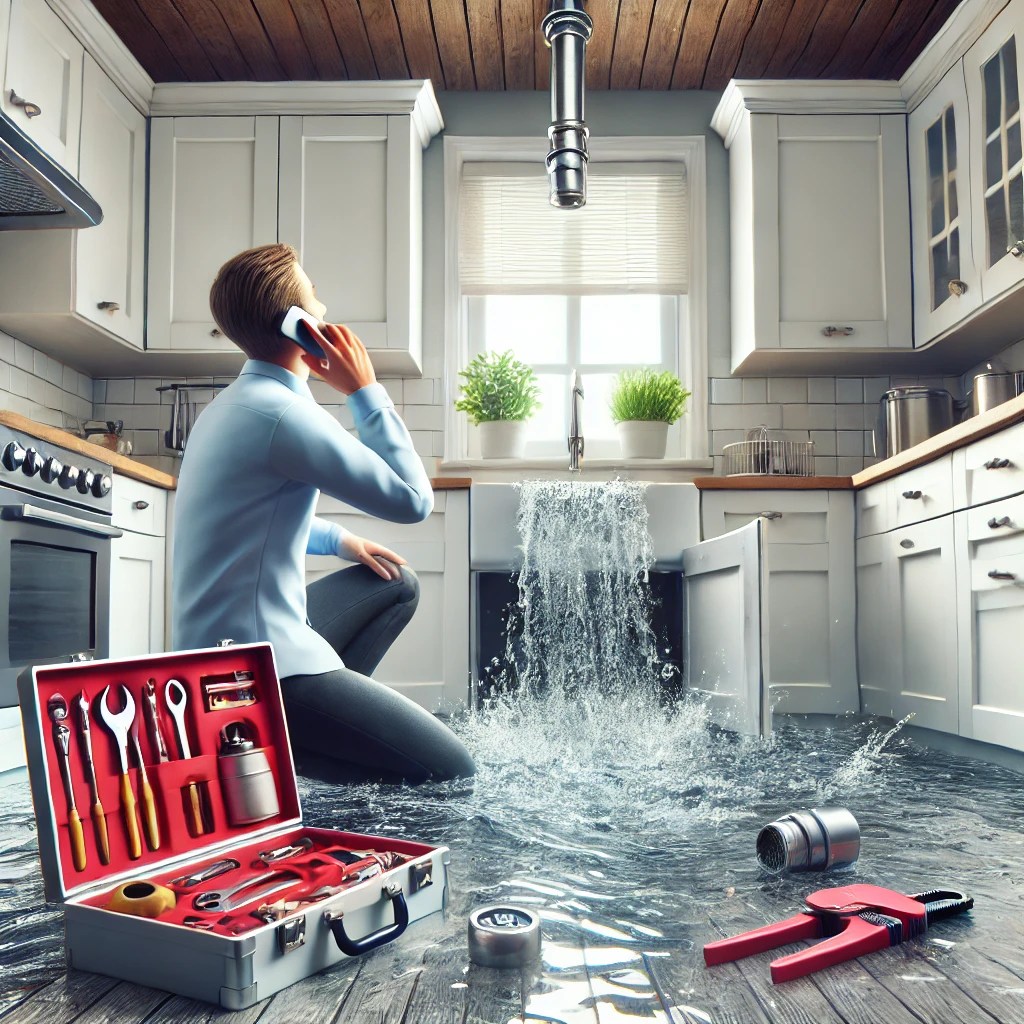
🚨 Introduction
Plumbing emergencies can strike at any time, leaving homeowners scrambling to prevent costly damage. You must know what to do in case of a burst pipe. Be prepared for an overflowing toilet. Know how to handle a sudden lack of running water. This knowledge can make a huge difference. Acting effectively before the plumber arrives can prevent significant issues. In this guide, we’ll walk you through essential steps. These steps will help you reduce damage. They will also protect your home while waiting for professional help.
–
🔍 Recognizing a Plumbing Emergency
Not every plumbing issue is an emergency, but some problems demand immediate attention. Here are common plumbing emergencies that need urgent action:
| Issue | Description |
|---|---|
| ✅Burst Pipes & Major Leaks | Can lead to flooding & structural damage. |
| ✅Sewage Backup | A health hazard causing bad odors & contamination. |
| ✅No Running Water | Can show a major pipe issue or blockage. |
| ✅Overflowing Toilet | Can cause water damage & unsanitary conditions. |
| ✅Clogged Drains with Standing Water | A sign of severe blockage or backup. |
🛑 If you experience any of these issues, take action promptly!
–
🛠Immediate Steps to Take Before the Plumber Arrives
When a plumbing emergency occurs, time is of the essence. Follow these crucial steps:
1️⃣ Shut Off the Water Supply
| 💧 For minor leaks: | Shut off the local water valve (under the sink or toilet). |
| 💧 For major leaks or burst pipes: | Locate and shut off the main water valve (usually in the basement, garage, or near the water meter). |
2️⃣ Contain the Leak & Prevent Water Damage
- Use towels, buckets, or a wet vacuum to collect excess water.
- If a pipe is leaking, use plumbing tape or a rubber patch as a temporary fix.
- Move any furniture or valuables away from the affected area.
3️⃣ Turn Off the Water Heater (If Necessary)
- If you suspect a major leak, turn off the water heater to prevent overheating & system damage.
4️⃣ Assess the Situation Before Calling a Plumber
- Try simple fixes if safe (e.g., plunging a clogged toilet or tightening a loose pipe).
- Check for warning signs like strange noises, water discoloration, or foul odors.
–
📞Calling an Emergency Plumber: What to Say & Expect
When calling a plumber, be clear & concise about the issue.
✅ Key Details to Give:
- The nature of the problem (e.g., burst pipe, backed-up drain).
- What steps you’ve already taken (shut off water, attempted fixes).
- Whether there are ongoing risks (e.g., flooding, sewage backup).
🛠 What to Expect from an Emergency Visit:
- Plumbers typically arrive within 1-2 hours for urgent cases.
- Emergency plumbing services cost more after-hours or on weekends.
- They will assess the issue, offer a quote, and start repairs promptly if possible.
–
🛑 Preventing Future Plumbing Emergencies
While some plumbing emergencies are unavoidable, you can take steps to reduce the risk:
| 🛠 Regular Plumbing Inspections | Catch small issues before they become big problems. |
| 🛠 Know Your Shutoff Valves | Every homeowner should know where to shut off the water. |
| 🛠 Proper Drain Maintenance | Avoid flushing grease, wipes, or food scraps down drains. |
| 🛠 Protect Pipes in Winter | Insulate pipes to prevent freezing and bursting. |
–
📢 Conclusion & Call to Action
Plumbing emergencies can be stressful, but knowing how to respond quickly can reduce damage & costly repairs. If you’re facing an urgent issue, don’t wait—call a professional plumber right away.
 NYC 24 Hour Plumbers
Leave a comment